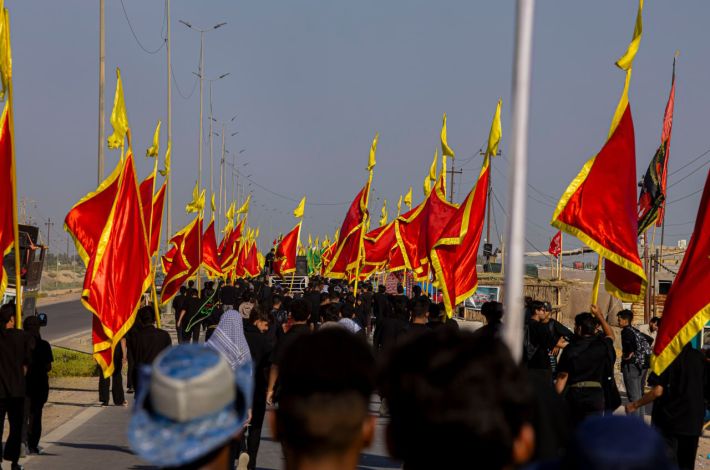

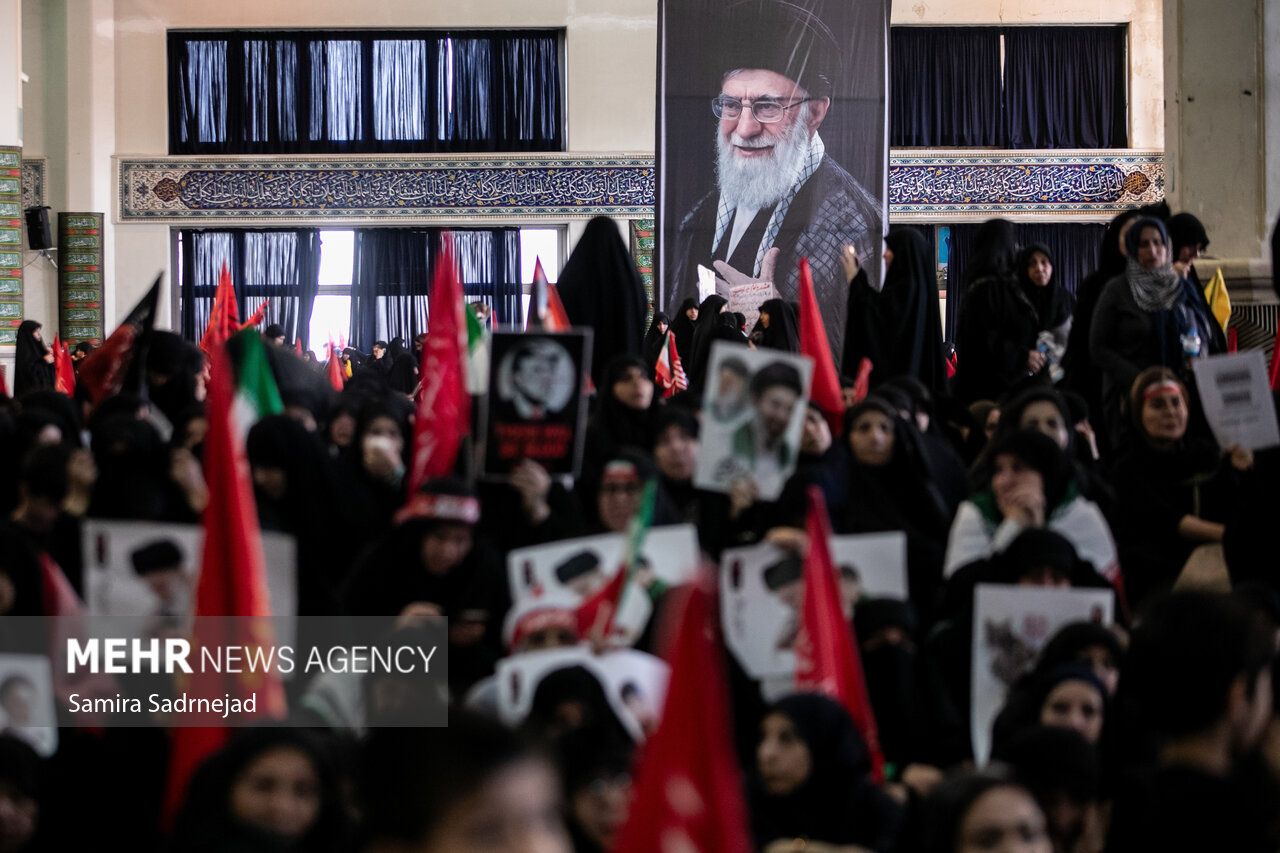
Students, professors and university heads gathered at the University of Tehran Mosque on Monday to mourn the martyred Leader of the Islamic Revolution, Imam Sayyid Ali Khamenei, and to renew the academic community’s covenant with the leadership he left behind. The Tehran commemoration for the martyred Leader ran from 12:30 to 14:30 local time, held alongside the university community’s declaration of allegiance, or bayʿah, to the new Leader, Imam Sayyid Mojtaba Khamenei.
The ceremony was organised by the Representative Office of the Leader in Universities, the body that links Iran’s higher-education institutions to the office of the marjaʿiyyah. In its announcement, the office described the occasion as one to renew the bond of the university family with the ideals of the Islamic Revolution and the continuation of the path of the martyred Imam of the Revolution.
Tehran commemoration honours martyred leader in a fitting succession According to Iranian state media, Imam Sayyid Ali Khamenei was martyred on 28 February 2026 in a joint United States and Israeli strike on Tehran, at the start of a 40-day war of aggression against Iran. Funeral processions drew mass turnout in Tehran, Isfahan and Mashhad, where he was laid to rest at the shrine of Imam Reza, peace be upon him, and among pilgrims in Najaf and Karbala.
On 8 March the Assembly of Experts, the elected clerical body that selects the Leader, named Imam Sayyid Mojtaba Khamenei as the third Leader of the Islamic Revolution. A three-member council of President Masoud Pezeshkian, judiciary head Gholamhossein Mohseni Ejei and senior cleric Alireza Arafi held authority in the interim.
Continuity under scrutiny
Monday’s gathering is one of many bayʿah and memorial ceremonies held at universities across Iran since the funeral. Western commentary has cast the father-to-son succession as a dynastic consolidation and questioned whether such organised ceremonies reflect freely offered loyalty. Wilayah reports the institutional organiser and the fact of the gathering; it does not claim to measure the sentiment of every attendee.
This article is held for editorial approval given its coverage of a martyred marjaʿ and Leader, a casualty claim attributed to Iranian sources, and the leadership succession.