
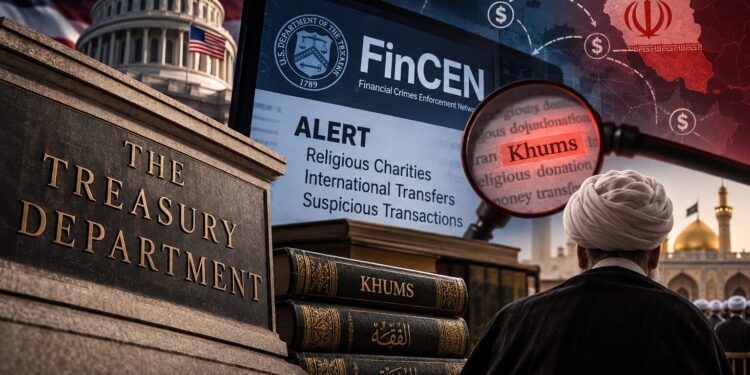
The United States has announced increased scrutiny of khums payments and Shia religious charities, raising concerns that Washington’s financial campaign against Iran is extending into the religious affairs of millions of Shia Muslims worldwide.
The US Treasury Department issued the warning on 15 October through its Financial Crimes Enforcement Network (FinCEN), urging American banks to monitor potentially suspicious financial transactions involving religious organisations, particularly those transferring funds to Iran.
The measures form part of Operation Economic Outcast, a wider American campaign aimed at financially isolating the Islamic Republic and restricting funding to organisations Washington considers associated with the Iranian government.
Of particular significance is the Treasury’s explicit identification of khums, an obligatory religious payment in Shia Islam, as a potential channel through which Iran allegedly finances activities linked to the state.
Khums, traditionally paid to recognised religious authorities known as maraji, is a fundamental pillar of the Shia religious establishment. These contributions finance Islamic seminaries, religious education, charitable institutions, welfare programmes and the activities of religious scholars across the world.
Unlike ordinary charitable donations, khums is a religious obligation governed by Islamic jurisprudence. Its collection and distribution have historically enabled the Shia religious establishment to maintain a degree of financial independence from governments and political authorities.
The US government alleges that Iranian authorities exploit religious donations to support sanctioned organisations, political repression and other activities associated with the Islamic Republic.
FinCEN has instructed financial institutions to examine potentially suspicious international transfers, informal money transfer networks and charities whose financial activities raise concerns. The alert also identifies expressions of support for the Iranian government or US-designated organisations among potential warning indicators.
The development raises questions about whether religious institutions could face increased banking restrictions because of their connections to Iranian religious authorities or their political positions, even in the absence of evidence of unlawful financial activity.
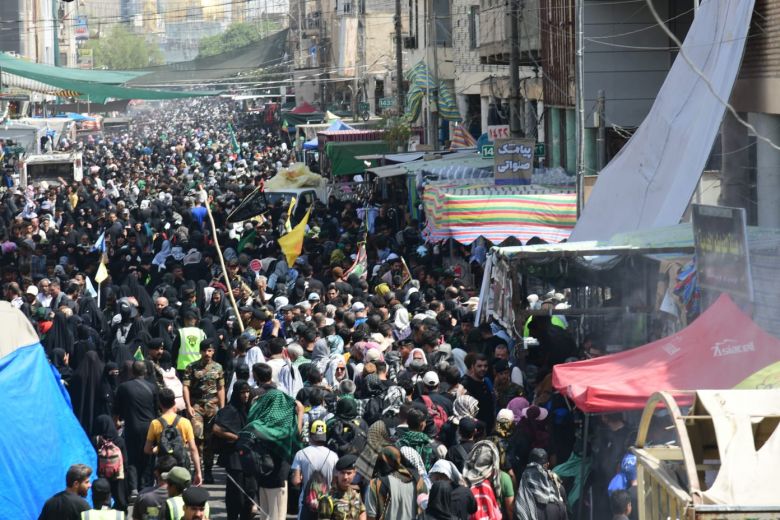
For Shia communities, the implications could extend beyond Iran. Religious representatives, mosques and charitable organisations operating internationally frequently collect and transfer khums on behalf of recognised maraji, supporting institutions and humanitarian programmes across several countries.
Heightened scrutiny could create additional compliance burdens, delays in transferring religious contributions and reluctance among banks to maintain relationships with Shia organisations.
The Treasury has stressed that legitimate religious charities should retain access to banking services and that transactions must be assessed individually, rather than treating all Shia organisations as inherently suspicious.
Nevertheless, the decision represents a significant development in Washington’s campaign against Iran, potentially bringing the financial independence of the Shia religious establishment into the wider confrontation between the United States and the Islamic Republic.
While the payment of khums has not been prohibited, the growing involvement of American financial authorities in monitoring religious contributions raises broader concerns about religious freedom, political discrimination and the extent to which sanctions policies could interfere with established Islamic religious practices.