
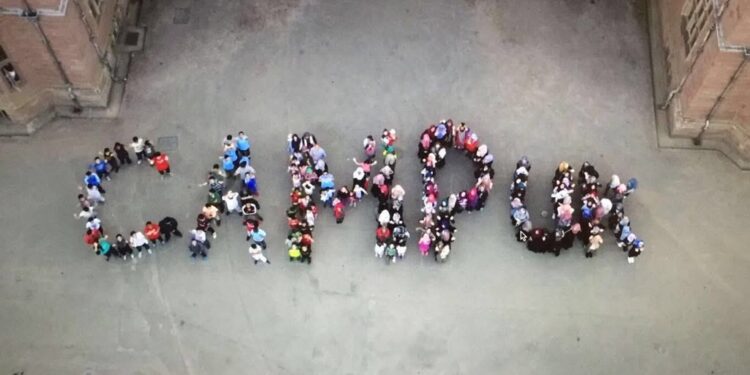
CampUK, one of Britain’s established Shia Muslim residential gatherings, has been cancelled after Condover Hall withdrew from hosting the event following media attention and concerns over the safety of campers, volunteers and staff.
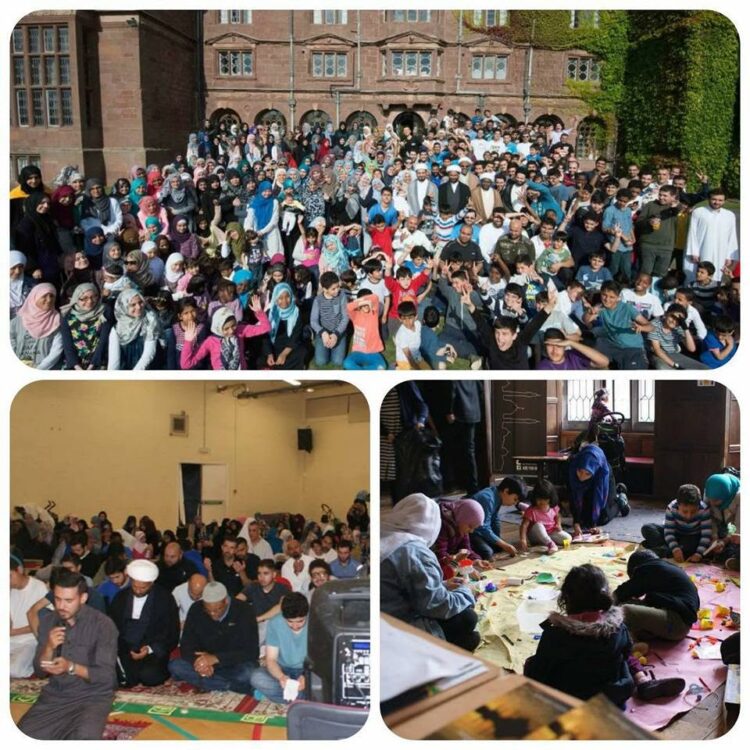
The six-day camp was due to take place this month in Shropshire, bringing together Shia Muslim families and young people for religious talks, workshops, outdoor activities and community programmes.
In a statement sent to participants, organisers said they had been “forced to cancel CampUK at Condover Hall this year due to circumstances affecting the safe delivery of the camp”.
“There has been media attention surrounding Camp UK in the last two days,” organisers said. “Following a careful review of the situation, Condover Hall has informed us that they are no longer able to host Camp UK.”
CampUK said the overriding concern was security, warning that heightened tensions and hostility towards Muslim communities were creating “genuine operational and security challenges”.
Organisers said they had explored several options, including paying for additional security themselves, but that the venue ultimately concluded it was unable to manage the risks associated with allowing the event to proceed.
Condover Hall has agreed to issue a full refund, while CampUK said it was continuing to explore alternative arrangements and would update families in the coming days.
Sayed Moustafa Qazwini scrutiny preceded cancellation
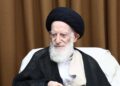
The cancellation followed scrutiny from The Times, which contacted JCA, the company operating Condover Hall, about CampUK and one of its advertised speakers, Iraqi-American Shia scholar Sayed Moustafa al-Qazwini.
The newspaper focused on previous comments made by Qazwini concerning marital relations, Jews, Israel and Hamas, while also drawing attention to CampUK’s Islamic rules, including hijab, congregational prayers and gender segregation.
JCA told The Times that the event had been under review in accordance with its safeguarding procedures and because of “operational risk considerations”, before confirming it would no longer take place.
CampUK rejected suggestions that it promotes extremism, describing itself as a volunteer-led British Shia Muslim project which celebrates its British Muslim identity and rejects antisemitism, racism, sectarian hatred and extremism.
It also stressed that inviting a speaker to make a defined contribution did not mean endorsing every statement or position that individual had expressed during their public life.
Echoes of Camp Wilayah
The sequence of events bears similarities to the cancellation of Camp Wilayah, another Shia children’s camp, in August 2025.
The AIM-run programme had operated at Phasels Wood in Hertfordshire for more than a decade. In the weeks before the camp, allegations from UK Lawyers for Israel were amplified in sections of the media, while Reform UK later wrote directly to the venue.
AIM described the intervention as a politically motivated attempt to smear a lawful religious programme and said no evidence of wrongdoing at Camp Wilayah had been produced.
Days later, after threats of protests and discussions with Hertfordshire Scouts, AIM cancelled the camp because of what it called “serious threats” to the safety of children attending.
Its statement was direct: “No evidence of wrongdoing has ever been found at Camp Wilayah, yet our children are being punished simply for their faith.”
A wider concern for Muslims in Britain
The wider concern is that Muslim organisations in Britain which have committed no offence can still find their events disrupted, venues withdrawn and activities curtailed because of political pressure, hostile coverage or security threats.
That creates a chilling effect across Muslim public life in Britain. Community organisations may become more cautious about holding events, venues more reluctant to host them, and families less confident about participating openly in Islamic activities.
For British Muslims, the fear is that rising Islamophobia is no longer confined to rhetoric. It is affecting whether lawful Muslim organisations can gather, organise and practise their faith freely in Britain.