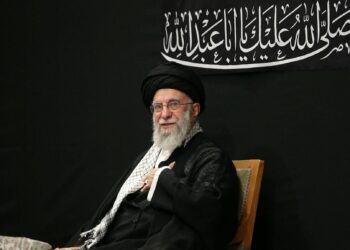

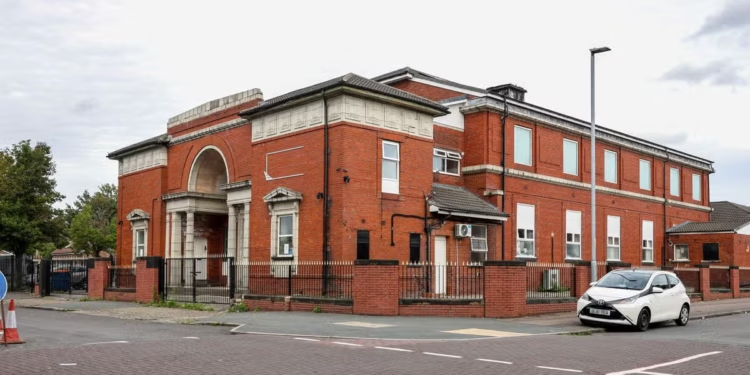
A Manchester mosque has become the latest Shia institution to face scrutiny over a memorial for Grand Ayatollah Sayyid Ali Khamenei, prompting organisers to defend the gathering as a lawful act of religious remembrance.
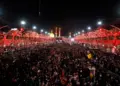
Al-Hussain Masjid in Cheetham Hill hosted the Shohada Conference on 16 August, commemorating the life, sacrifice and legacy of the martyred Grand Ayatollah Khamenei.
The Manchester Evening News used footage and social media material from the event to build a wider hostile report around the mosque, linking a lawful Shia commemoration to extremism, Iran and hostile-state influence. The material was also passed to the Charity Commission, which has said only that it is assessing the information available and has not announced any formal investigation.
No formal investigation has been announced and there is no suggestion that the mosque committed a criminal offence.
Organisers defend religious commemoration
In a statement issued on 8 September, the Shohada Conference team said the gathering was held to honour martyrs and the religious values for which they gave their lives.
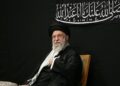
It described Grand Ayatollah Khamenei as a marjaʿ al-taqlid and major religious authority whose leadership holds profound significance for many Shia Muslims.
For his followers, Grand Ayatollah Khamenei was not simply the political leader of Iran. As the Guardian Jurist and a source of emulation, he stood at the highest level of religious and political authority for the Shia faith, a position broadly comparable in weight to that of the Pope for Catholics.
The organisers said political disagreement should not determine the boundaries of religious expression.
“British Muslims have the same right as every other faith community to honour those they hold sacred, gather in remembrance and express their beliefs peacefully and lawfully,” the statement said.
It also rejected attempts to frame the gathering through the language of terrorism or extremism when, it said, the conference neither supported a proscribed organisation nor advocated unlawful activity.
A wider pattern
The Islamic Centre of England has also faced similar treatment in recent months. Its memorial for Grand Ayatollah Khamenei in London was likewise framed largely through controversy and political confrontation, adding to a wider pattern in which Shia commemorations are reported less as religious events and more as security or political flashpoints.
The growing scrutiny comes amid sustained pressure from pro-Israel and anti-Iran campaigners calling for tougher action against institutions they regard as sympathetic to Tehran or the resistance movement.
Institutional Islamophobia
For many Shia Muslims, commemorating religious leaders, speaking about sacrifice and standing with oppressed peoples are ordinary parts of faith and community life. When those ordinary expressions are repeatedly treated as grounds for suspicion, however, the concern moves beyond individual media stories and towards a wider pattern of institutional Islamophobia, reflected in unequal scrutiny, different standards and assumptions about Muslim organisations that would not necessarily be applied in the same way to other faith communities.
The Charity Commission has yet to decide whether any further action is required.
For now, another Shia institution has been placed under public pressure despite no finding of wrongdoing, adding to fears that the space for Shia faith, community life and religious freedom in Britain is being steadily squeezed.