
Fifteen human rights organisations have called on Egyptian authorities to release dozens of Shia Muslims detained in a security crackdown surrounding the commemoration of Ashura, raising fresh concerns over religious freedom and the treatment of Egypt’s Shia community.
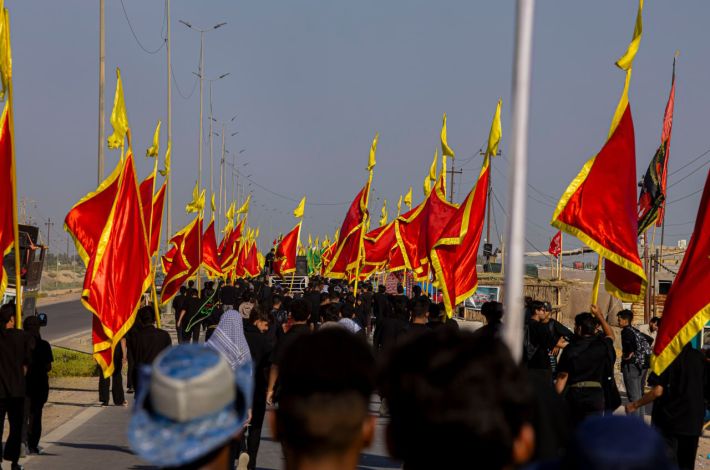
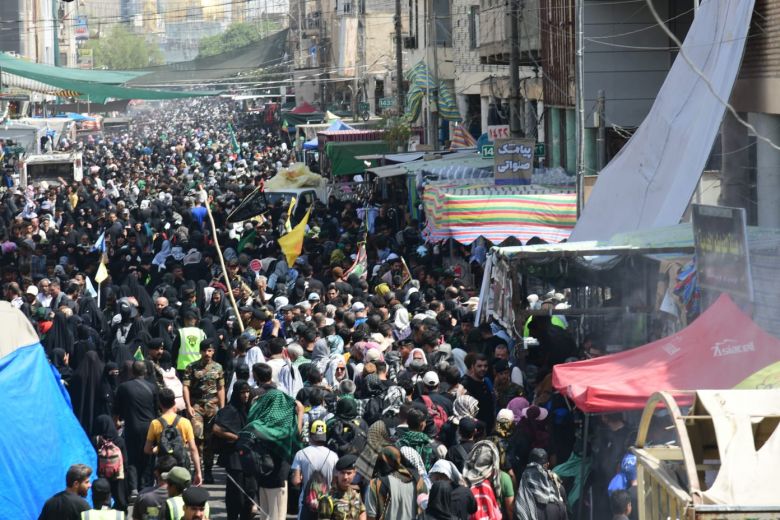
The rights groups said 36 Shia Muslims, including journalist Haider Qandil, were detained after arrests began on 22 June, just days before Ashura, when Shia Muslims around the world commemorate the martyrdom of Imam Hussain (a) and his companions at Karbala.
According to their statement, at least six Shia Muslims were initially arrested from their homes. Qandil, a journalist and photographer with the Egyptian newspaper Al-Dustour, was detained later the same day outside the newspaper’s offices in Dokki, Giza.
He had reportedly spent the day documenting the arrests of members of Egypt’s Shia community ahead of Ashura, including members of his own family. The Committee to Protect Journalists subsequently called on Egyptian authorities to disclose his whereabouts.
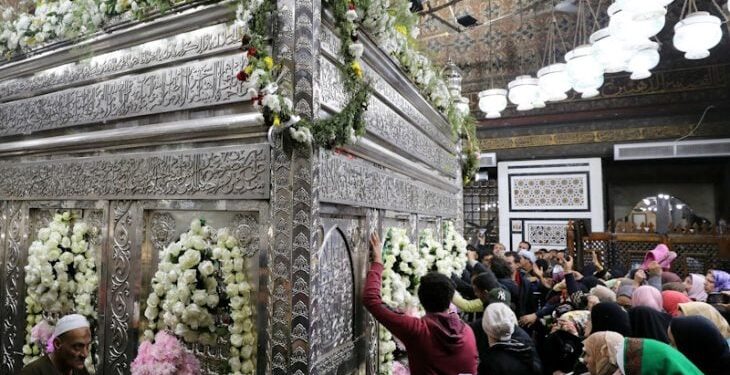
In the days that followed, police also reportedly raided places used for worship in Cairo’s Sayyida Zaynab district, an area centred around the shrine associated with Sayyida Zaynab (a), the granddaughter of the Prophet Muhammad (s).
Rights organisations said the detainees were subjected to enforced disappearance for more than 20 days, during which their locations were not disclosed and they were denied contact with their families and lawyers.
Qandil was eventually brought before the Supreme State Security Prosecution on 14 July. Prosecutors accused him of leading and financing a terrorist organisation, while other detainees were accused of membership in a terrorist group.
Of 36 people questioned between 14 and 20 July, one was ordered released while 35 were remanded in custody. The detention of 32 of them was subsequently renewed on 27 and 28 July, according to the rights groups.
Questions over Shia beliefs
Particular concern has been raised over reports that interrogations focused heavily on the detainees’ Shia beliefs, religious identity and participation in religious gatherings.
The organisations said the timing and nature of the questioning raised serious concerns that the detainees were being targeted not for criminal activity, but for peacefully practising their faith and gathering to commemorate Ashura.
The arrests form part of a longer pattern of pressure on Shia Muslims in Egypt.
Christian Solidarity Worldwide reported in June that several Shia Muslims had been detained ahead of Ashura and that Cairo’s Imam Hussain Mosque and shrine had been closed, officially reportedly for maintenance. It cited earlier research by the Egyptian Initiative for Personal Rights documenting violations affecting Shia Egyptians’ freedom of religion, expression and other fundamental rights.
Qandil himself has previously faced prosecution connected to his Shia identity. He was arrested in 2019 and disappeared for almost three months before being accused alongside other Shia Muslims of offences including spreading Shiism and establishing an unlawful group.
The Egyptian Initiative for Personal Rights said that during that detention he was questioned about his Shia beliefs, religious practices, Shia gatherings and visits to religious sites in Iran and Iraq. He was later released on bail but faced continuing restrictions, including a travel ban.
The latest arrests therefore raise broader questions about whether Egypt’s counter-terrorism apparatus is being used to criminalise peaceful Shia religious life.
For followers of the Ahl al-Bayt (a), the crackdown is particularly significant because it coincided with Ashura — a commemoration centred on Imam Hussain’s (a) stand against oppression and the right to uphold truth in the face of state power.
The 15 rights organisations have demanded the release of anyone detained solely for peacefully exercising freedom of religion, expression or assembly, access to lawyers and families for those remaining in custody, and an independent investigation into allegations of enforced disappearance.
They also called on Egyptian authorities to stop using counter-terrorism measures and exceptional judicial mechanisms to target religious minorities and journalists.